

What is aromatherapy?
It is a form of alternative medicine aimed at improving physical and emotional well-being through the use of scents. It is based on the interaction of aromatic compounds with receptors in the brain and body, which promotes relaxation, stress relief and the restoration of harmony.
This method not only helps manage stress and anxiety but also maintains overall health, improves sleep, enhances concentration, and creates a comfortable atmosphere. Aromatherapy is a natural way to take care of yourself, combining the power of nature with a personalized approach to each individual.
Essential oils are powerful natural remedies that help the body fight viruses, bacteria, inflammation, pain, headaches, migraines and respiratory conditions; they balance the body’s vital functions, raise the body’s energy levels, are indispensable when working with young children, and much more.
Aromachology
– a field of psychology that studies the impact of aromas on a person’s mental state and behavior.
The effect of a scent on the sense of smell can have a powerful impact on the brain, particularly on the hypothalamus (the part of the body responsible for hormones) and the limbic system of the brain (the part that stores memories and emotions), and because of their powerful effect on the brain’s limbic system, essential oils can help release repressed emotions and painful memories.
Essential oils raise the vibration of the physical body, and when the body is at high energy frequencies, low energies become unbearable and the body seeks to release these feelings.
Essential oil
Essential oils are aromatic and volatile liquids found in various parts of plants, including shrubs, flowers, trees, roots, and seeds. Essential oils are most often extracted through steam distillation, which preserves their unique properties.
The chemical composition of essential oils is incredibly complex and can include hundreds of unique chemical compounds. Each oil has its own characteristics, determined by the natural components it contains.
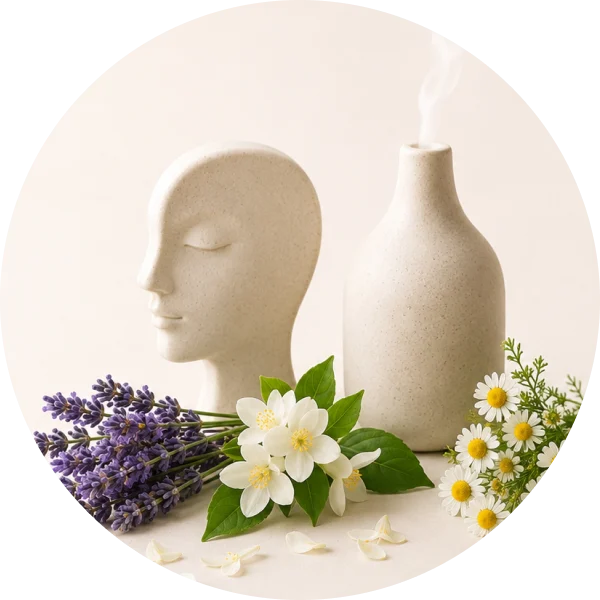
Essential oils are highly concentrated and significantly more potent than dried herbs. The distillation process concentrates their active components, making them powerful tools for aromatherapy, skin care, emotional balance, and health.
Essential oil — a concentrate of plant components with aromatic and medicinal properties.
Steps for using essential oils.

1. Physical renewal.
Essential oils restore the body, supporting its natural regenerative mechanisms and promoting health.

2. Emotional balance
Essential oils help you to cultivate a sense of joy and inner balance, relieving tension, stress and anxiety.

3. Changing beliefs
Essential oils free the mind by removing limiting beliefs and changing the way you perceive the world.

4. Spiritual development
Essential oils awaken mindfulness, fostering a connection with oneself, nature, and those around you.

5. Inspiration
Essential oils balance the soul, motivating you to achieve your life goals and purpose.
Why are essential oils so effective?
Their strength lies in unique chemical compounds that interact in complex synergy. Each oil contains between 200 and 500 different biological components, making their effect on the body truly diverse. No two oils are the same – each has its own unique action.
Essential oils also play a key role in emotional healing. Many of us carry the unhealed wounds of the past – unresolved pain, suffering, and inner conflicts. Essential oils help to unlock these blocks, gently release them outwards, and promote transformation and healing. This process not only helps to improve emotional well-being but also to return to harmony and inner balance.
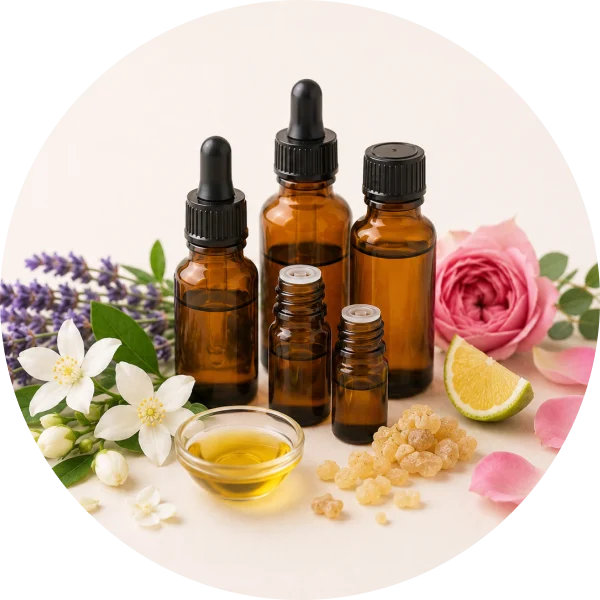
Essential oils raise the vibration of the physical body, and when the body is at high energetic frequencies, low energies become unbearable and the body seeks to release these feelings.


