

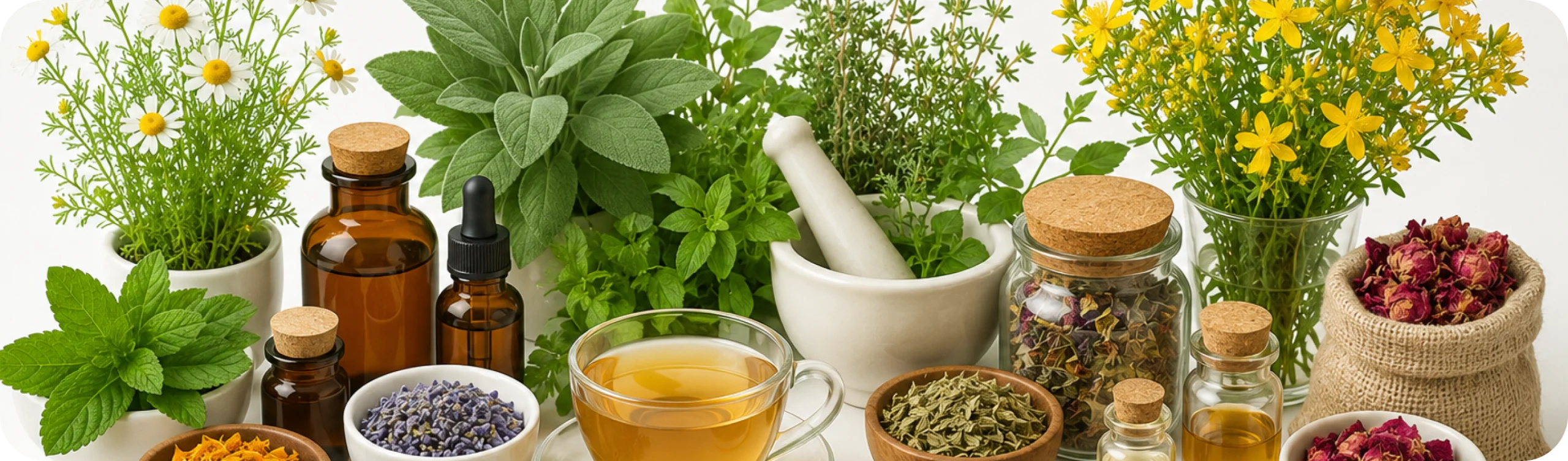
Herbal medicine — the wisdom of nature, backed up by modern science
Almost everyone has used medicinal plants at least once in their life. We drink chamomile tea, make linden tea when we have a cold, add mint to our drinks, or use ginger during the colder months.
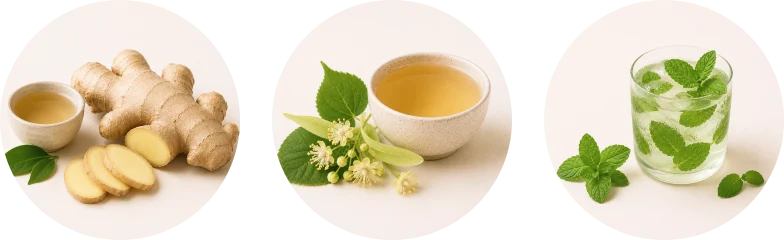
Yet few people realise that behind the plants we are so familiar with lies an amazing world of natural substances, which scientists around the world have been studying for many decades.
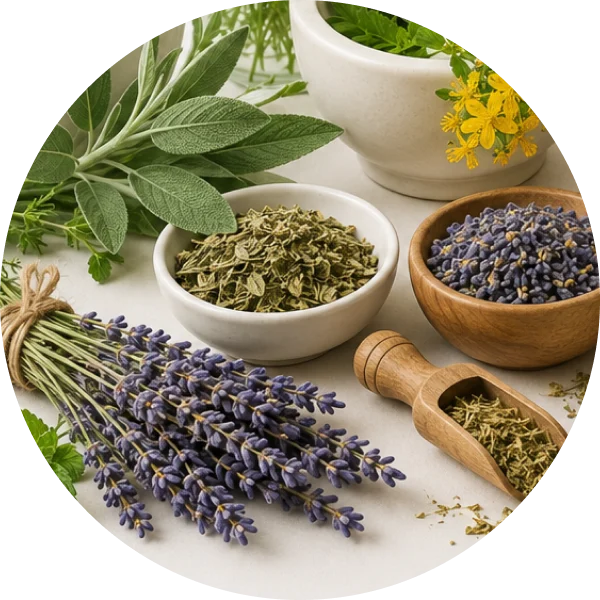
Herbal medicine is one of the oldest branches of medicine, based on the use of medicinal plants to maintain and restore human health. It combines humanity’s centuries-old experience with modern scientific knowledge of the chemical composition of plants, their biological activity and their interaction with the body.
Why do plants have such amazing properties?
Surprisingly, plants do not produce their active compounds for human consumption at all.
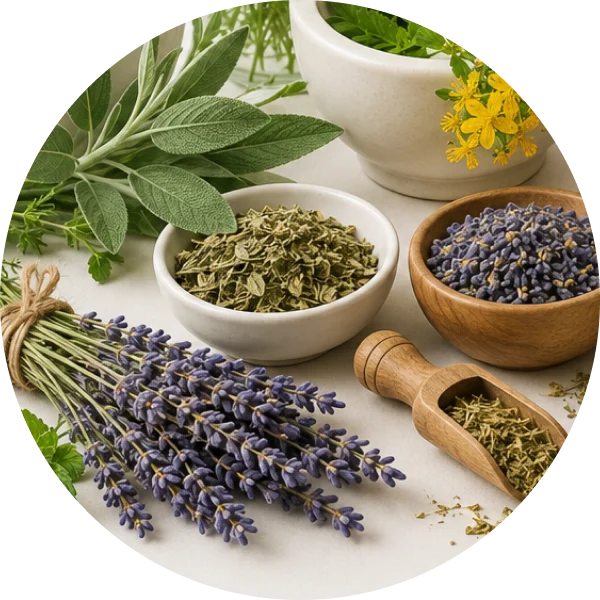
Over millions of years, they have adapted to their environment. Unable to move, plants have learnt to protect themselves from bacteria, fungi, viruses, insects, ultraviolet radiation and other adverse factors using complex chemical compounds.
It is precisely these natural substances that are currently attracting a great deal of interest from researchers and continue to be actively studied around the world.
Every plant is a real-life natural laboratory
Every medicinal plant has its own unique chemical composition. A single plant may contain dozens, and sometimes even hundreds, of biologically active compounds:
Essential oils

Flavonoids
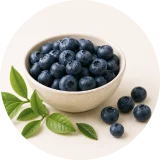
Polyphenols
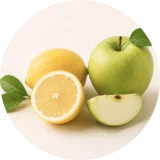
Organic acids
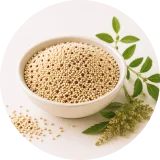
Saponins
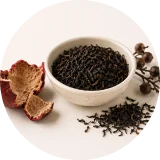
Tannins

Vitamins
Trace elements
Other natural ingredients
It is precisely this combination that determines the distinctive characteristics of each plant. Therefore, in herbal medicine, it is not a single substance that is of value, but the entire natural complex of components created by nature itself.
Why is herbal medicine still relevant today?
Despite the rapid development of modern pharmacology, interest in medicinal plants continues to grow.
Many well-known medicines have been developed following research into natural plant-derived compounds, and the search for new biologically active substances continues in universities, research institutes and pharmaceutical laboratories around the world.
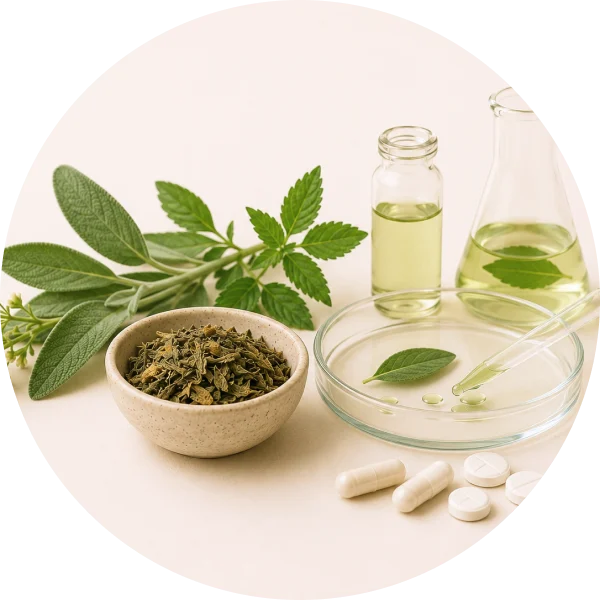
This is precisely why modern phytotherapy is evolving alongside science, combining centuries of experience in the use of medicinal plants with new scientific knowledge.
Why can’t you just buy any herbal remedy from a chemist’s?
At first glance, it might seem that all you need to do is choose a suitable plant and start taking it.
In practice, things are considerably more complicated.
The chemical composition of plant-based raw materials depends on a number of factors:
Climate
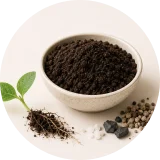
Soil composition
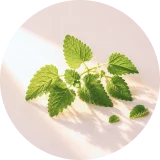
Amounts of sunlight
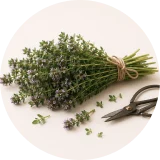
Harvest time
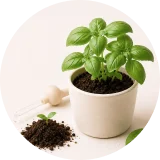
Growing conditions
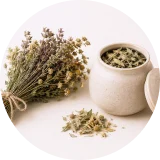
Drying and storage methods
Furthermore, the same herbal blend may be perceived differently by different people.
That is precisely why professional herbal medicine begins where advice such as «have a cup of chamomile tea» or «make a cup of mint tea» ends.
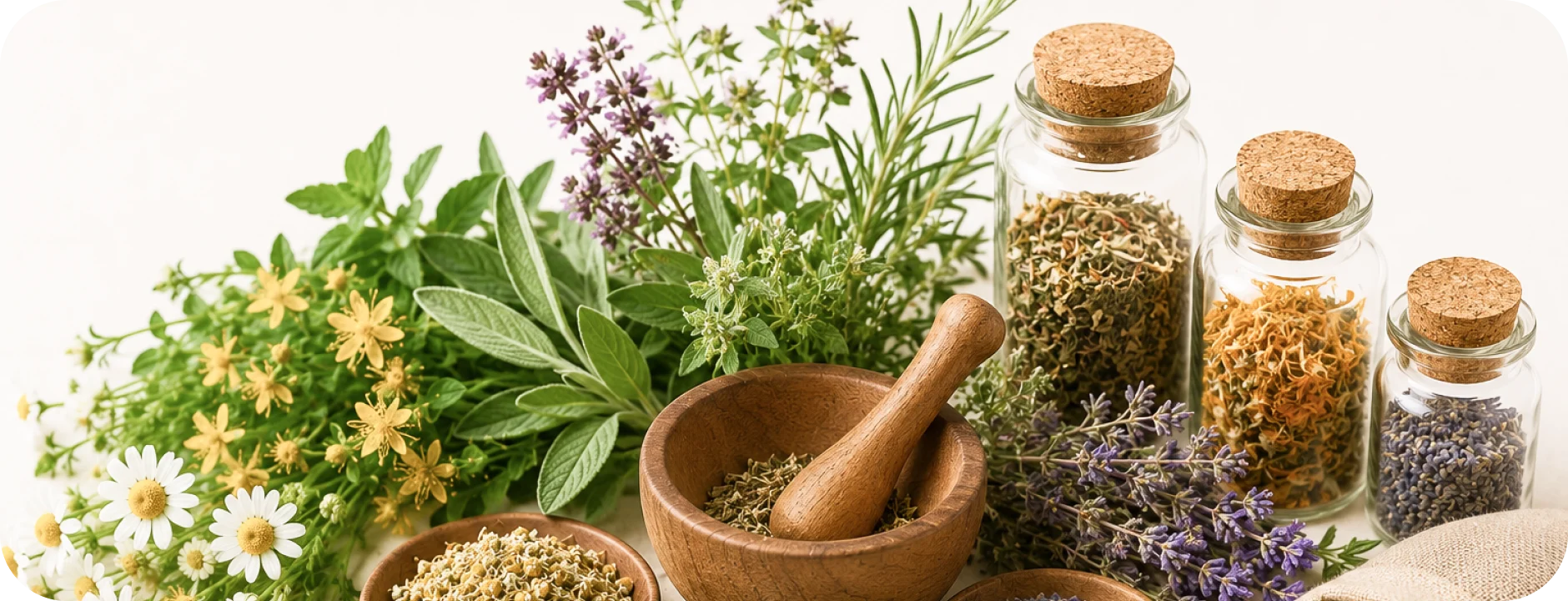
Why is herbal medicine an art?
A naturopathic approach — It is not simply a matter of „having a bit of a smoke“. It is the art of selecting medicinal plants on an individual basis, based on knowledge of their chemical composition, properties and how they interact with the human body.
When drawing up recommendations, account is taken not only of the person’s main complaints, but also of:
Features
digestion
Features
metabolism
Status
nervous system

Lifestyle

Stress levels

Dietary habits
Hormonal
balance
Laboratory test results
Medicines currently being taken
That is precisely why a one-size-fits-all approach does not work for everyone.
Just as an experienced chef creates a harmonious dish by combining various ingredients, a herbalist formulates a personalised blend of medicinal plants, in which each plant complements and enhances the effect of the others.
This is the art of modern herbal medicine.
Herbal Medicine in a Naturopathic Approach
In modern naturopathy, herbal medicine is regarded as one of the tools for providing holistic support for the body.
It goes well with:
1. Dietary adjustments
2. Lifestyle recommendations
3. Correction of possible vitamin and mineral deficiencies
4. Physical activity
5. Stress management
6. Other areas of natural health promotion
This comprehensive approach makes it possible to take into account each person’s individual characteristics and to develop personalised recommendations aimed at maintaining good health, the body’s internal resources and quality of life.


