




 9 июля 2026
 116
116Everyone has experienced anxiety at least once. Before an important meeting, an exam, or an unexpected life situation, our heart starts beating faster, our breathing quickens, and our thoughts seem to lose their logical grasp. Many perceive this as a weakness of character, but from a neurobiological perspective, it's quite the opposite.
Modern research shows that anxiety is one of the body's most ancient defense mechanisms, whose purpose isn't to make us unhappy, but to help us survive. Problems arise when this system becomes overactive or activates even in the absence of a real threat.
The brain constantly evaluates the surrounding world.
Our brain continuously analyzes a vast amount of information. Much of this work occurs automatically and unnoticed by the conscious mind.
One of the key structures responsible for recognizing potential danger is the amygdala. It constantly compares current events with previous experiences and, in just a split second, answers the question: "Is there a threat here?"«
If the amygdala detects danger, it triggers a cascade of defensive reactions even before a person has time to realize what's happening. This is why we can flinch at a loud sound before we even realize its source.
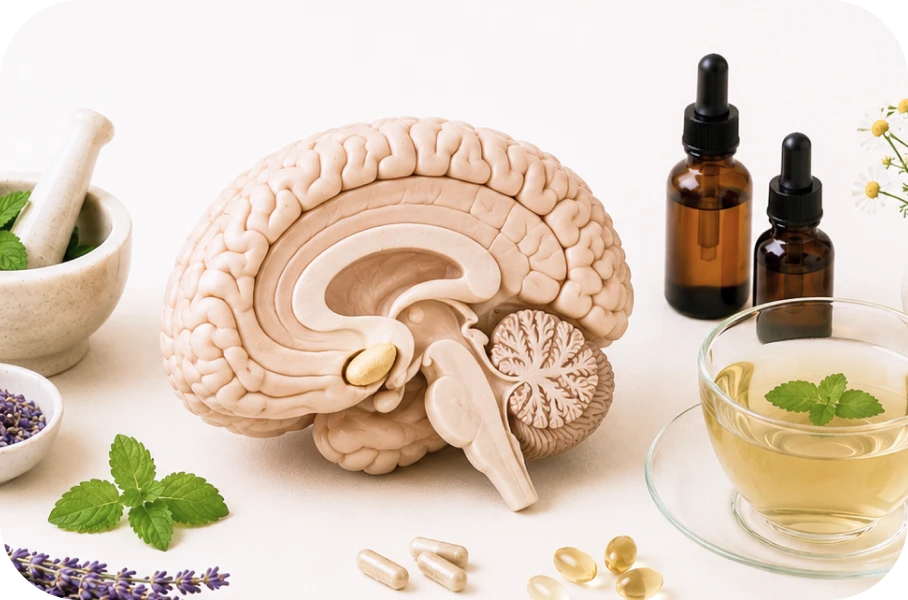
Why it's hard to think rationally when you're anxious
One of the most interesting findings in modern neuroscience concerns the functioning of the prefrontal cortex, the area of the brain located in the frontal lobes.
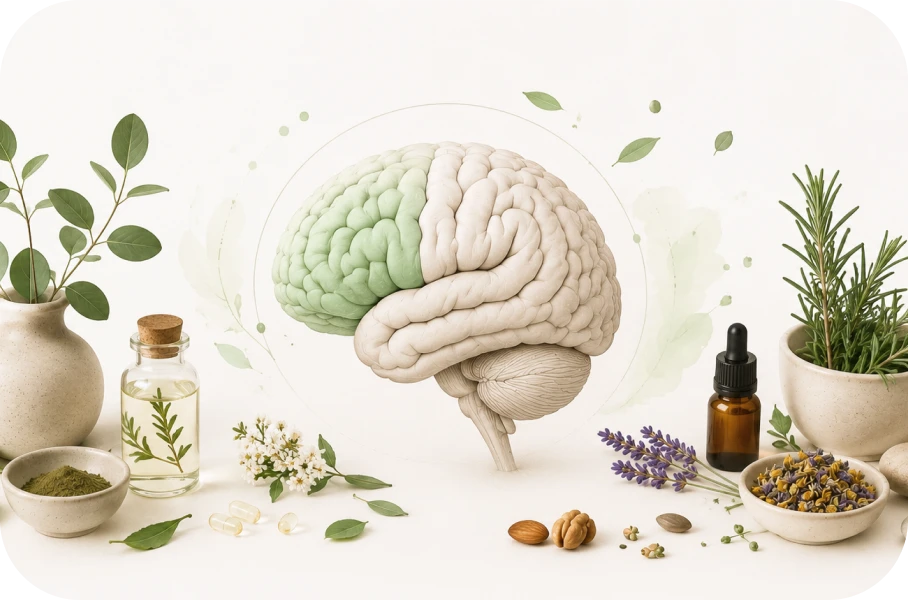
It is the prefrontal cortex that helps us:
However, with severe anxiety, the balance between the emotional and rational centers of the brain temporarily changes.
The amygdala becomes more active, and the influence of the prefrontal cortex weakens. From an evolutionary perspective, this is understandable: when a person is facing real danger, the brain is more interested in reacting quickly than in taking a long time to think.
This is why, when under great stress, many people say:
This is not due to a lack of willpower, but to a temporary change in the activity of neural networks.
Why do emotions begin to dominate?
The prefrontal cortex acts as a kind of "conductor" for the brain. It helps us assess situations in context, compare facts, consider past experiences, and moderate excessive emotional reactions.
In pathological anxiety, this system works less efficiently, and the emotional centers of the brain receive greater influence.
As a result, people begin to overestimate the likelihood of danger, notice potential threats more quickly, and are less able to rationally analyze current events. This is why, in anxiety disorders, even neutral events can be perceived as a source of risk.
Why Chronic Anxiety Changes Brain Function
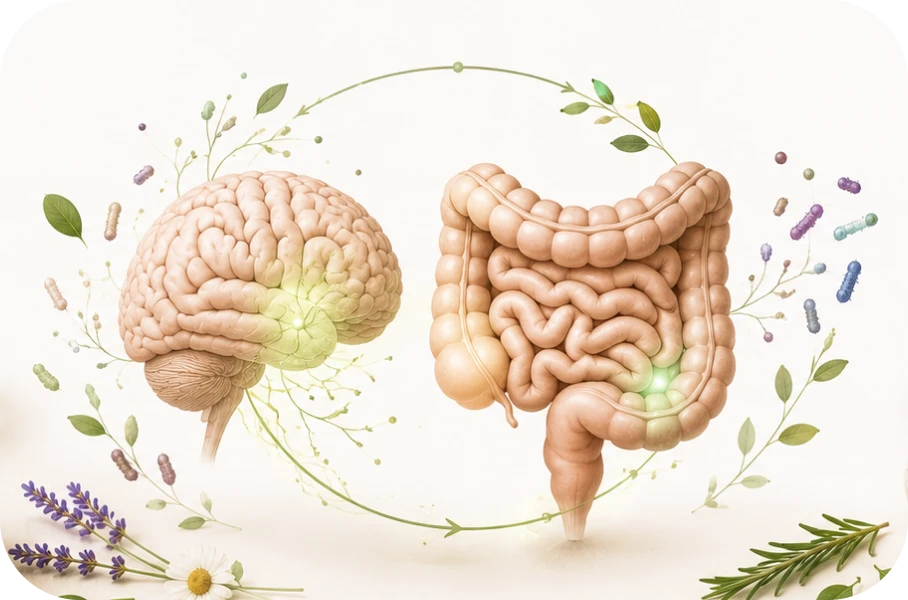
Modern naturopathy places great emphasis on the connection between the gut and the brain. The health of the digestive system, the microbiome, inflammation levels, and nutrient absorption can all impact a person's emotional state.
Therefore, when experiencing anxiety, it is important to pay attention to indigestion, bloating, constipation, diarrhea, food intolerances, and other signs that may indicate the need for gastrointestinal support.
The good news: the brain is adaptable
One of the most important discoveries of recent decades has been the understanding that the brain remains plastic throughout life.
This property is called neuroplasticity.

Thanks to this mechanism, the nervous system is able to form new neural connections, rebuild existing networks, and gradually restore more effective emotional regulation. This is the basis for many treatments for anxiety disorders, including cognitive behavioral therapy, regular physical activity, quality sleep, and other approaches whose effectiveness is supported by research.
What is important to remember
Modern neuroscience shows that anxiety is not a sign of weakness or a lack of character. It is the result of a complex interaction between various brain regions that evolved to protect humans.
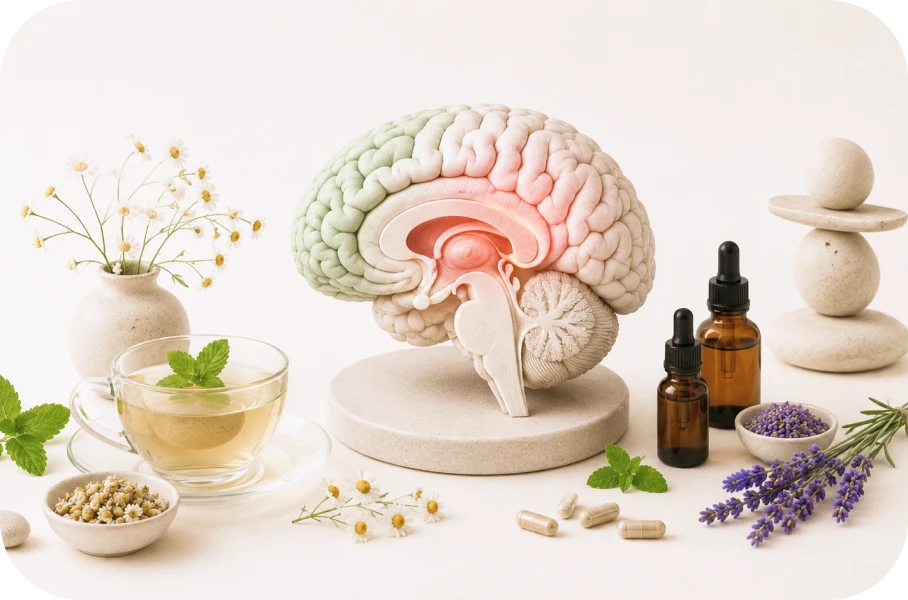
When emotional centers temporarily become more active than rational ones, it becomes more difficult to remain calm, make decisions, and assess the situation objectively. Understanding these mechanisms helps us view anxiety differently: not as a personal failure, but as a state of the nervous system that at a certain point requires support and restoration.
Main sources:
Kenwood MM, Kalin NH, Barbas H. The prefrontal cortex, pathological anxiety, and anxiety disorders. Neuropsychopharmacology, 2021.
Anxiety. StatPearls Publishing, NCBI Bookshelf.
Martin EI et al. The Neurobiology of Anxiety Disorders.